
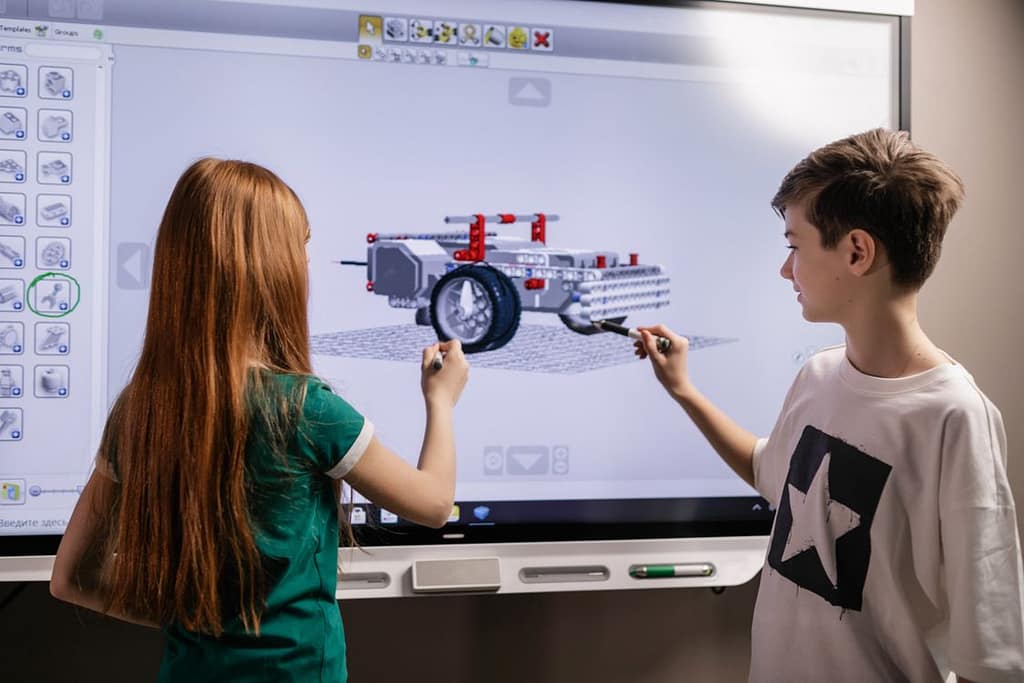
For many parents, technology can feel like a double edged sword. On one hand, it opens up incredible opportunities for learning, creativity and communication. On the other hand, it is easy to worry about screen time, online safety and whether children are spending too much time in front of devices. The reality is that technology is changing the way young people learn, create and solve problems. Rather than simply consuming content, today’s children have more opportunities than ever to build skills, develop ideas and even create solutions that make a real difference.
At web3sy, we believe that when technology is introduced in the right way, with the right guidance, it becomes one of the most powerful tools for developing confident, creative and future ready young people.
Innovation Starts Earlier Than Ever
Not long ago, becoming an entrepreneur or inventor seemed like something reserved for adults with years of experience. Today, that is no longer the case. Young people have access to coding platforms, AI tools, design software, robotic kits and online learning resources that allow them to turn ideas into reality from an early age. Whether it is designing an app, creating a game or building a website, technology gives children the chance to learn by doing. Many of the skills that employers now value most, such as problem solving, communication, creativity and collaboration, are developed naturally through these experiences.
Technology Builds More Than Digital Skills
Parents often think of technology education as simply learning to code. In reality, digital projects encourage children to:
- Think critically about problems
- Test different solutions
- Learn from mistakes
- Work collaboratively with others
- Present ideas confidently
- Develop resilience when things do not work the first time
These are life skills that extend far beyond computers. When children create something themselves, they begin to see technology as a tool they can control rather than simply something they consume.
AI is Becoming Part of Everyday Learning
Artificial intelligence is already becoming part of everyday life, and young people are growing up alongside it. Learning how AI works, when it should be used and how to question information it produces is becoming just as important as learning how to search the internet once was.
Rather than fearing AI, parents can help children understand how to use it responsibly. It will be taught as a tool for learning, creativity, and productivity, while recognising that human judgment, ethics and critical thinking remain essential. The future workplace will almost certainly involve AI in some form, making digital confidence increasingly valuable from an early age.
Young People Want to Solve Real Problems
One of the most encouraging trends is that many young innovators are not motivated simply by making money. INcresingly, they want to tackle challenges that matter to them, whether that is protecting the environment, improving accessibility, supporting mental wellbeing or helping their local communities.
Recent UK research found that many teenagers interested in entrepreneurship are driven by solving real world problems through technology, while also highlighting that many face barriers to accessing the support they need (Generation Founder). When children are encouraged to explore meaningful projects, learning becomes far more engaging because they can see the impact their ideas could have.
Parents Play a Bigger Role Than They Realise
You do not need to be a programmer or technology expert to support your child’s interest. Simple encouragement can make a significant difference. Parents can:
- Ask about what their child is creating rather than what they are watching
- Celebrate curiosity and experimentation
- Encourage questions instead of expecting perfect answers
- Help children balance technology with offline activities
- Introduce them to opportunities that allow them to build practical skills
Sometimes, simply showing interest in a project is enough to build a child’s confidence to keep exploring.
Giving Young Innovators the Right Environment
The best learning happens when children have the opportunity to experiment without worrying about getting everything right the first time. Hands-on workshops, collaborative projects and real world changes allow young people to develop confidence alongside technical knowledge. This is why practical technology education has become increasingly valuable. Instead of memorising information, children learn how to think creatively, adapt and solve problems, skills that will remain relevant no matter how technology evolves.
Preparing for the Future
The jobs today’s children will do in the future may not even exist yet. What will not change is the need for adaptable, creative thinkers who can use technology confidently and responsibly. By giving children opportunities to explore emerging technologies now, parents are helping them build skills that will benefit them throughout education, future careers and everyday life.
Sources
Darmel, Alena. “Boy And Girl Standing in Front of Computer Screen · Free Stock Photo.” Pexels, 2 May 2021, www.pexels.com/photo/boy-and-girl-standing-in-front-of-computer-screen-7742832.
Generation Founder: Supporting the UK’s Next Wave of Young Innovators. www.techuk.org/resource/generation-founder-supporting-the-uk-s-next-wave-of-young-innovators.html.