
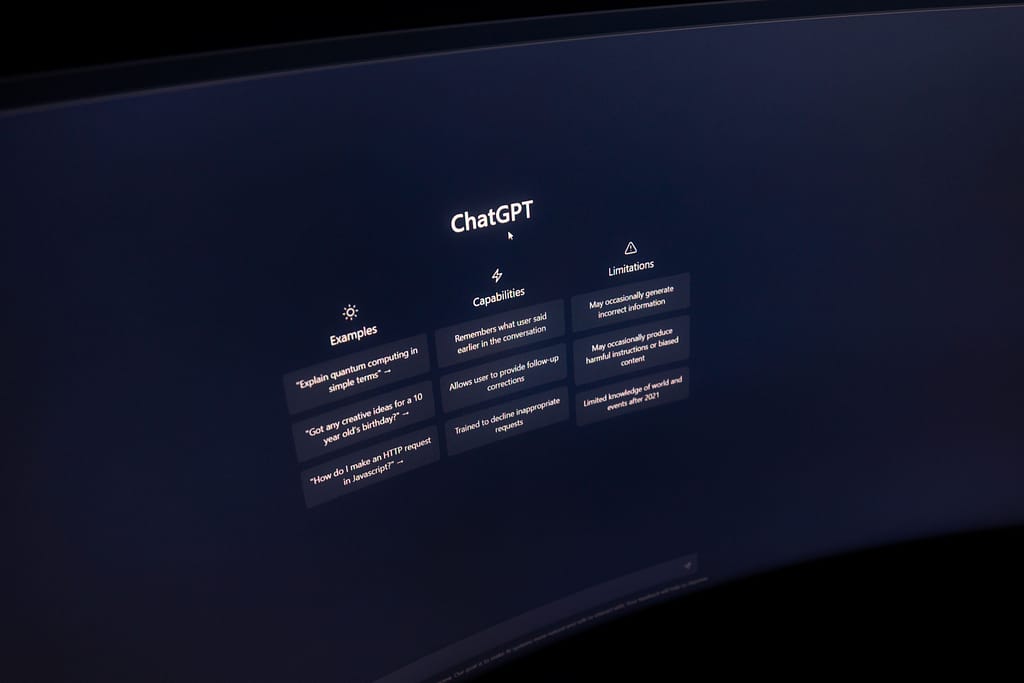
Artificial intelligence(AI) is becoming an increasingly important part of modern education. From helping students complete assignments to supporting teachers with lesson planning and administrative tasks, AI is changing the way education is delivered and experienced. As this technology continues to develop, it offers new opportunities to improve learning while also creating challenges that educators and students must address. Understanding the impact of AI on modern education is essential for ensuring that it is used effectively and responsibly.
Opportunities Created by AI in Education
One of the most influential developments is artificial intelligence (AI). AI now provides unique opportunities for people from all backgrounds. In the past, understanding specialized topics often required formal training in a particular profession or field. Today, AI can explain complex ideas, answer questions and assist with tasks for anyone who has access to it. This creates new possibilities and opens doors for many learners.
AI can be a powerful aid when used appropriately. “In an era filled with unprecedented data, artificial intelligence serves as our cognitive extension, helping us make sense of complexity that otherwise overwhelms human capabilities” (Thomson Reuters Corporation, 2025). AI can help students organize information, explore new topics and solve problems more efficiently.
Furthermore, AI is having a significant impact on modern education by providing students with instant access to learning resources and personalized support. Educational AI tools can help explain difficult concepts, generate practice questions and offer feedback tailored to individuals learning needs. This can improve engagement and allow students to learn at a pace that suits them, making education more accessible and flexible.
Challenges and Concerns of AI Use
However, the rapid growth of AI also raises important concerns. “Rapid technological developments inevitably bring multiple risks and challenges, which have so far outpaced policy debates and regulatory frameworks” (UNESCO, 2026). This highlights the need for schools, governments and educators to develop guidelines for responsible AI use.
Another concern is the issue of academic integrity within education. As AI tools become more advanced, some students may be tempted to rely on them to complete work without fully engaging in the learning process. This creates challenges for teachers in assessing genuine understanding and highlights the importance of establishing clear guidelines for the ethical use of AI in educational settings.
Responsible Use of AI in Learning
It is important to use AI as a tool that enriches learning rather than replacing independent thinking. Researchers warn that relying too heavily on AI can weaken important cognitive skills. “Overuse of ChatGPT may dull critical thinking which raises alarms about how convenience might stunt learning, especially in developing minds” (Greggwirth, 2025). Students should use AI to support their understanding, not to avoid doing the work themselves.
Ultimately, AI is transforming modern education by changing how students access information, develop knowledge and engage with learning. While AI offers valuable benefits such as personalized learning, improved accessibility and greater efficiency, it must be used responsibly to avoid overreliance and the decline of critical thinking skills. When combined with effective teaching practices and appropriate guidelines, AI has the potential to enhance educational experiences and support student success in the digital age.
Sources
“Artificial Intelligence in Education.” AI | UNESCO, 13 Apr. 2026, www.unesco.org/en/digital-education/artificial-intelligence.
Bertelli, Matheus. “Chat GPT Welcome Screen on Computer · Free Stock Photo.” Pexels, 22 Mar. 2023, www.pexels.com/photo/chat-gpt-welcome-screen-on-computer-16027824.
Greggwirth, and Greggwirth. “As AI Usage Accelerates, Companies Need to Avoid Cognitive Debt &Amp; Decay Among Their Talent.” Thomson Reuters Institute, 15 Oct. 2025, www.thomsonreuters.com/en-us/posts/sustainability/avoiding-cognitive-debt-agency-decay.
#tech #education #technology #stemforkids #edtech #CodingForKids #CreativeLearning #AI #classroom #learning#ChatGPT##FutureOfEducation#TechnologyInEducation#EducationalTechnology#OnlineLearning#StudentSuccess#InnovationInEducation#TeachingAndLearning#DigitalTransformation#LearningTechnology#AcademicIntegrity#CriticalThinking#EducationMatters#FutureSkills